The Role of Nutrition in Skincare and Wellness
In today's world, we often hear the phrase "you are what you eat." This saying holds a lot of truth, especially when it comes to skincare and overall wellness. Many people focus on topical treatments and products to achieve glowing skin, but the foundation of healthy skin starts from within. Nutrition plays a crucial role in how our skin looks and feels. In this post, we will explore the connection between nutrition and skincare, and how what we consume can impact our skin health and overall well-being.
Understanding the Skin-Nutrition Connection
Our skin is the largest organ in our body, and it reflects our internal health. When we nourish our bodies with the right foods, we can enhance our skin's appearance and function. Nutrients from our diet can help repair skin damage, reduce inflammation, and promote a youthful glow.
Key Nutrients for Healthy Skin
Certain nutrients are particularly beneficial for skin health. Here are some of the most important ones:
Vitamins: Vitamins A, C, and E are essential for skin health. Vitamin A helps with cell turnover, Vitamin C is a powerful antioxidant that protects against sun damage, and Vitamin E helps maintain skin moisture.
Minerals: Zinc and selenium are vital for skin repair and protection. Zinc helps with wound healing, while selenium protects against oxidative stress.
Healthy Fats: Omega-3 fatty acids found in fish, flaxseeds, and walnuts help maintain skin hydration and elasticity.
Antioxidants: Foods rich in antioxidants, such as berries, dark chocolate, and green tea, can help combat free radicals that damage skin cells.
The Impact of Hydration
Hydration is another critical aspect of skincare. Drinking enough water helps keep the skin hydrated and plump. Dehydration can lead to dry, flaky skin and exacerbate conditions like eczema and psoriasis. Aim to drink at least eight glasses of water a day, and consider incorporating hydrating foods like cucumbers, oranges, and watermelon into your diet.
Foods to Boost Your Skin Health
Now that we understand the importance of nutrition for our skin, let's look at some specific foods that can help improve skin health.
1. Fatty Fish
Fatty fish, such as salmon and mackerel, are rich in omega-3 fatty acids. These healthy fats help keep the skin moisturized and can reduce inflammation. Regular consumption of fatty fish can lead to a more radiant complexion.
2. Avocados
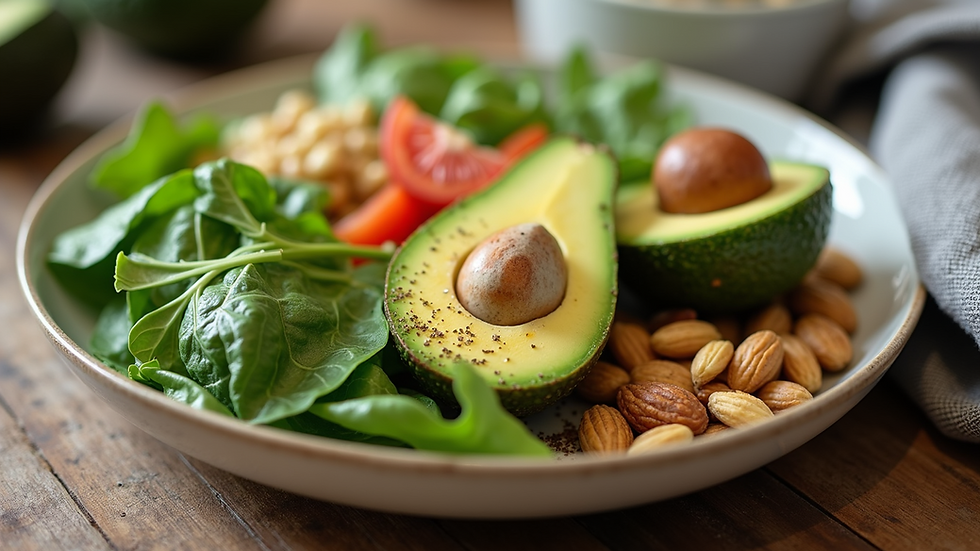
Avocados are packed with healthy fats and vitamins. They contain Vitamin E, which helps protect the skin from oxidative damage. The healthy fats in avocados also help keep the skin supple and hydrated.
3. Nuts and Seeds
Nuts and seeds, such as almonds and chia seeds, are excellent sources of Vitamin E and omega-3 fatty acids. They can help improve skin elasticity and reduce signs of aging.
4. Sweet Potatoes
Sweet potatoes are rich in beta-carotene, which the body converts into Vitamin A. This nutrient is essential for skin cell production and repair. Including sweet potatoes in your diet can help promote a healthy glow.
5. Leafy Greens
Leafy greens like spinach and kale are loaded with vitamins and minerals. They are high in antioxidants, which help protect the skin from damage. Incorporating these greens into your meals can boost your skin's health.
The Role of Gut Health in Skincare
Recent studies have shown a strong connection between gut health and skin health. The gut microbiome plays a significant role in inflammation and skin conditions. A healthy gut can lead to clearer skin and fewer breakouts.
Probiotics and Prebiotics
Incorporating probiotics and prebiotics into your diet can help maintain a healthy gut. Probiotics are found in fermented foods like yogurt, kefir, and sauerkraut. Prebiotics, on the other hand, are found in foods like garlic, onions, and bananas. These foods help feed the good bacteria in your gut, promoting overall health.
Lifestyle Factors That Affect Skin Health
While nutrition is vital, other lifestyle factors also play a role in skin health. Here are some key areas to consider:
1. Sleep
Getting enough sleep is crucial for skin repair and regeneration. During sleep, the body works to repair damaged cells and produce new ones. Aim for 7-9 hours of quality sleep each night to support your skin's health.
2. Stress Management
Chronic stress can lead to skin issues like acne and eczema. Finding ways to manage stress, such as through meditation, yoga, or deep breathing exercises, can help improve your skin's appearance.
3. Sun Protection
Protecting your skin from the sun is essential for preventing premature aging and skin damage. Use sunscreen daily, wear protective clothing, and seek shade when the sun is at its strongest.
The Importance of a Balanced Diet
A balanced diet is key to achieving healthy skin. Focus on incorporating a variety of foods from all food groups. This approach ensures that you get a wide range of nutrients that support skin health.
Meal Ideas for Glowing Skin
Here are some meal ideas that incorporate skin-friendly foods:
Breakfast: Smoothie with spinach, banana, almond milk, and chia seeds.
Lunch: Quinoa salad with avocado, cherry tomatoes, and grilled salmon.
Snack: Handful of mixed nuts and a piece of dark chocolate.
Dinner: Baked sweet potato with steamed broccoli and grilled chicken.
The Bottom Line
Nutrition plays a vital role in skincare and overall wellness. By focusing on a balanced diet rich in vitamins, minerals, and healthy fats, you can enhance your skin's appearance and health. Remember to stay hydrated, manage stress, and protect your skin from the sun.
Incorporating these practices into your daily routine can lead to healthier skin and a happier you. So, the next time you think about skincare, remember that what you eat matters just as much as the products you apply.
By making mindful choices about your nutrition, you can nourish your skin from the inside out and enjoy the benefits of a radiant complexion.


Comments